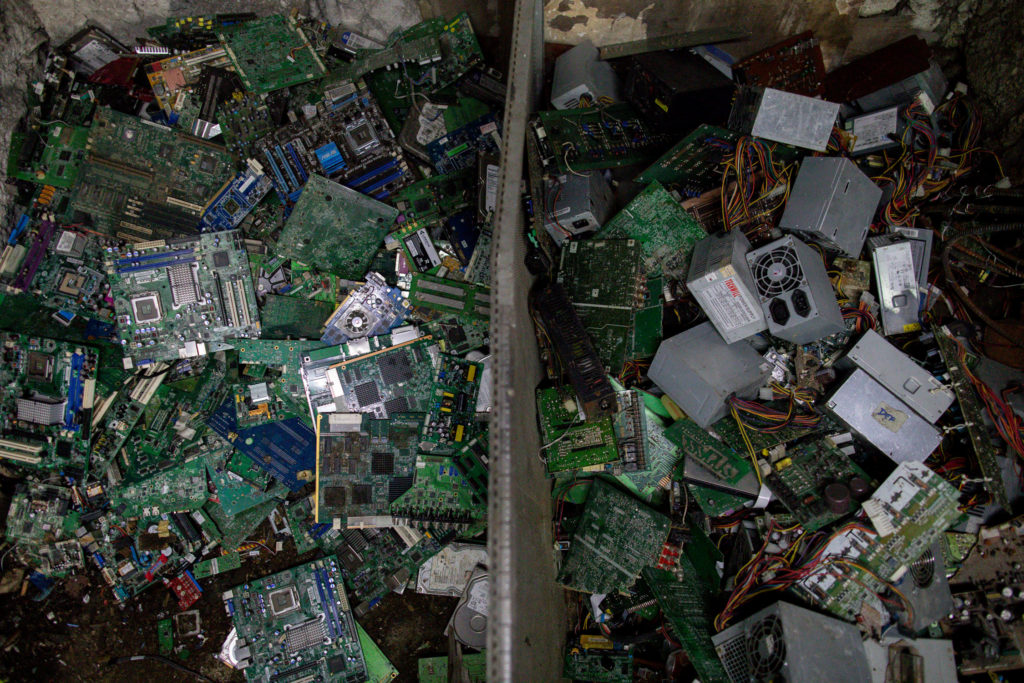
The Global E-Waste Crisis: How US Exports Drive a Toxic Surge
In an age defined by rapid technological advancement, our reliance on electronic devices has never been greater. Yet, this digital dependency comes with a dark side: a burgeoning global e-waste crisis. Every year, millions of tons of discarded electronics, from smartphones to refrigerators, pile up, creating a "toxic tsunami" that disproportionately impacts developing nations. At the heart of this growing environmental disaster are exports from developed countries like the United States, which, despite knowing the risks, continue to ship hazardous electronic waste overseas, often under dubious pretenses.
The issue gained significant attention with reports highlighting a "hidden tsunami" of electronic waste originating from the U.S. and flooding countries in Southeast Asia and the Middle East. While some of these shipments are passed off as donations or reusable goods, a closer look reveals a troubling reality: profitable recycling sectors in the West are externalizing their environmental responsibilities, offloading the burden of toxic processing onto communities ill-equipped to handle it safely. This intricate web of global trade and environmental negligence calls for urgent action and greater accountability, especially when large-scale illegal operations lead to a significant company waste seizure.
The Hidden Tsunami: US Exports and Their Toxic Trail
An extensive two-year investigation by the Seattle-based Basel Action Network (BAN), a leading environmental watchdog, unveiled the staggering scale of this problem. Their findings pointed to at least 10 U.S. companies engaged in exporting used electronics to Asia and the Middle East, capitalizing on the lucrative margins of a system that allows waste to be processed under harmful conditions far from American shores. This practice, often masked as "reuse" or "recycling," essentially involves shipping end-of-life products that are no longer economically viable to process domestically.
According to the report, a staggering 2,000 containers—amounting to roughly 33,000 metric tons (36,376 U.S. tons)—of used electronics depart U.S. ports every single month. These shipments are typically managed by "e-waste brokers" who don't conduct the recycling themselves but instead funnel the waste to facilities in developing nations. Here, lax environmental regulations, cheaper labor, and often desperate economic conditions create an environment ripe for exploitation. The environmental and human costs are immense, adding to a burden already heavy for countries like those in Asia, which alone produce nearly half the world's total e-waste.
The companies implicated in these exports, including Attan Recycling, Corporate eWaste Solutions (CEWS), Creative Metals Group, EDM, First America Metal Corp., GEM Iron and Metal Inc., Greenland Resource, IQA Metals, PPM Recycling, and Semsotai, faced scrutiny. While some denied involvement or claimed compliance with regulations, the sheer volume of material being moved suggests a systemic issue. The occasional, but significant, company waste seizure by international agencies serves as a stark reminder of the illicit or highly questionable nature of many of these shipments, forcing a spotlight on the companies behind them.
A Growing Global Burden: The Dangers of E-Waste
Electronic waste, or e-waste, comprises discarded devices that contain a complex mix of valuable materials and highly toxic elements. From the gold and copper in circuit boards to the lead, cadmium, mercury, and flame retardants found in various components, e-waste is a treasure trove of resources if handled correctly, and a toxic cocktail if not. As technological cycles shorten and consumers upgrade devices faster than ever, the world's e-waste problem is accelerating dramatically. In 2022, a record 62 million metric tons of e-waste were generated globally, a figure projected to climb to an alarming 82 million metric tons by 2030, according to the UN's International Telecommunication Union and UNITAR.
When this American e-waste arrives in countries like Vietnam, it often ends up in informal scrapyards or unregulated dumps. Without proper infrastructure or safety protocols, workers—including children—dismantle devices by hand, often burning plastics to extract metals. This process releases highly toxic fumes into the air, contaminating soil and water, and exposing entire communities to severe health risks, including neurological damage, developmental problems, and various cancers. The dumping of electronics in landfills leads to the leaching of heavy metals and other hazardous chemicals into groundwater, posing long-term threats to ecosystems and public health. This cycle of harm is precisely what an effective company waste seizure aims to disrupt, protecting vulnerable communities from further exposure.
Corporate Accountability and the Shadowy Supply Chain
The revelations concerning U.S. e-waste exports highlight a critical gap in corporate accountability and global waste management. While many companies claim to adhere to environmental standards, the reality on the ground often tells a different story. The profit motive drives many of these operations, as it is far cheaper to offload hazardous waste to countries with less stringent regulations than to invest in environmentally sound recycling practices domestically. This creates a shadowy supply chain where responsibility is diffused, and the true impact remains hidden from public view until major incidents, such as a large-scale company waste seizure, bring them to light.
The Basel Convention, an international treaty designed to prevent the transboundary movement of hazardous waste, particularly from developed to less developed countries, plays a crucial role here. Although the U.S. has signed the convention, it has not ratified it, meaning it's not legally bound by its provisions against exporting hazardous waste to non-OECD countries. This legal loophole is often exploited, allowing unscrupulous companies to operate in a gray area, circumventing international norms. Strengthening domestic regulations and ratifying international agreements would be critical steps towards closing these loopholes and ensuring that companies are held responsible for the entire lifecycle of their products.
Beyond legal frameworks, there is a moral imperative for companies to adopt Extended Producer Responsibility (EPR) schemes. EPR holds manufacturers responsible for the environmental impacts of their products throughout their entire lifecycle, from design to end-of-life. This encourages product designs that are durable, repairable, and easily recyclable, reducing the overall waste stream and the incentive to export hazardous materials. For more detailed insights into the companies involved and the broader issue, see our related article: Exposed: US Companies Fuel Asia's Hazardous Electronics Dump.
Navigating Towards a Sustainable Future: Solutions and Actionable Steps
Addressing the global e-waste crisis, and particularly the role of U.S. exports, requires a multi-faceted approach involving governments, corporations, and consumers alike. The sheer volume of waste necessitates systemic changes:
- Stronger Regulations and Enforcement: Governments, particularly the U.S., must strengthen laws against illegal e-waste exports and ratify international treaties like the Basel Convention. Robust enforcement, including investigations leading to significant company waste seizure operations, can deter illicit activities.
- Corporate Responsibility: Companies must embrace genuine Extended Producer Responsibility (EPR) programs, ensuring their products are designed for longevity and recyclability, and that end-of-life handling is ethical and environmentally sound. They should partner only with certified, transparent recyclers who adhere to global best practices.
- Investing in Domestic Infrastructure: Developing robust, environmentally sound e-waste recycling infrastructure within the U.S. can reduce the economic incentive for exports and create green jobs.
- Consumer Awareness and Action: Individuals have a role to play.
- Reduce: Buy fewer, more durable electronics.
- Reuse: Extend the life of devices through repair or donation.
- Recycle Responsibly: Use certified e-waste recyclers (e.g., those certified by e-Stewards or R2) who guarantee environmentally sound processing and no toxic exports.
- Advocate: Support policies that promote EPR and stronger regulations.
- International Cooperation: Enhanced collaboration between exporting and importing countries is crucial to track shipments, share intelligence, and prosecute those involved in illegal waste trafficking.
The Impact of Company Waste Seizure as a Deterrent
The importance of incidents like the Malaysian agency's impounding of 40 containers of illegal waste cannot be overstated. Such a large-scale company waste seizure sends a powerful message to illicit traders and negligent corporations. It disrupts their supply chains, imposes significant financial penalties, and damages their reputation. These enforcement actions are vital not just for removing toxic waste from circulation, but also for building a deterrent against future illegal activities. They highlight the tangible consequences of operating outside environmental regulations and ethical boundaries, thereby encouraging greater compliance across the industry.
Conclusion
The global e-waste crisis is a pressing environmental and humanitarian challenge, heavily exacerbated by the continued export of discarded electronics from developed nations like the U.S. The "hidden tsunami" of e-waste, laden with toxic materials, devastates ecosystems and endangers human health in vulnerable communities abroad. While the profit motives of some companies drive this toxic trade, the increasing awareness, coupled with impactful enforcement actions like a significant company waste seizure, offers a glimmer of hope. By demanding greater corporate accountability, implementing robust regulations, fostering responsible consumption, and investing in sustainable domestic recycling solutions, we can collectively work towards a future where technology serves humanity without poisoning the planet.